
What is uveitis?
Uveitis refers to a group of eye conditions that cause inflammation inside the eye. There are many possible causes, including infections, autoimmune conditions such as rheumatoid arthritis and sarcoidosis, genetic factors, and eye trauma. Notably, around half of uveitis cases have no identifiable underlying cause.
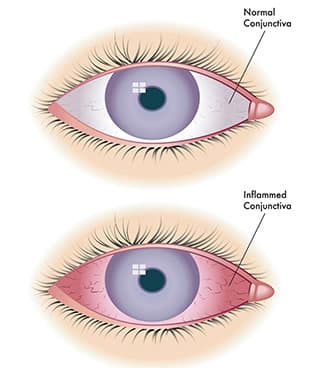
Iritis (anterior uveitis)
Iritis is the most common form of uveitis, affecting the front portion of the eye. Characteristic signs include eye redness, pain, blurred vision and light sensitivity. Initial treatment typically involves steroid eye drops or ointment and pupil-dilating medications, and most patients respond rapidly.
Intermediate and posterior uveitis
These forms affect the rear structures of the eye and cause symptoms similar to iritis, plus floaters (multiple black dots). Beyond topical eye drops, treatment may include steroid tablets or injections around the eye.